History · The unbroken thread
SANATAN IS A WAY OF LIFE
From ever to ever. What follows is not a list of dates — it is a record of hands, each one passing the lamp to the next.
SANATAN has no known starting year and no single founder. Every great rishi, acharya and avatar we remember did not invent it — they followed it, restored it, and handed it forward. The oldest surviving texts are already so refined that they cannot possibly be the beginning of that school of thought.
So this page is best read not as history that ended, but as a relay that is still running — and whose baton is presently in our hands.
The unbroken thread
Hands that carried the lamp
Not a timeline of an ending civilization — a relay running for ever.
Anaadi · beyond dating
No first day
Sanatan means 'from ever to ever'. There is no founding event to celebrate and no founder to name — only a way of living that was already old when the oldest records were made.
The Shruti
Heard, remembered, kept exact
The Vedas were carried by memory alone across countless generations, with recitation methods so rigorous that the text survived syllable-perfect — one of the most remarkable acts of preservation in human history.
Upanishads & darshanas
The age of questions
'Who am I?' became a discipline. The Upanishads and the six darshanas built a culture where the deepest doubt was not a sin but a duty — and where a student could argue with a teacher and still touch his feet.
Itihasa & Purana
Epics
Starting with Vedas, Upanishads, Purana, Ramayana and Mahabharata took dharma out of the debating hall and into every home, every village square and every grandmother's evening — which is precisely why they outlived empires. Geeta is the Essence of all scriptures which enlightens the path of Crores of Sanatanis and lakhs of Foreigners.
Takshashila · Nalanda · Vikramshila
The world came here to study
For centuries these were among the greatest Centres of learning anywhere on Earth, drawing students from across Asia. Panini's grammar, Aryabhata's astronomy and Sushruta's surgery came out of such Centres.
The temple age
Temples — Centres of Devotion
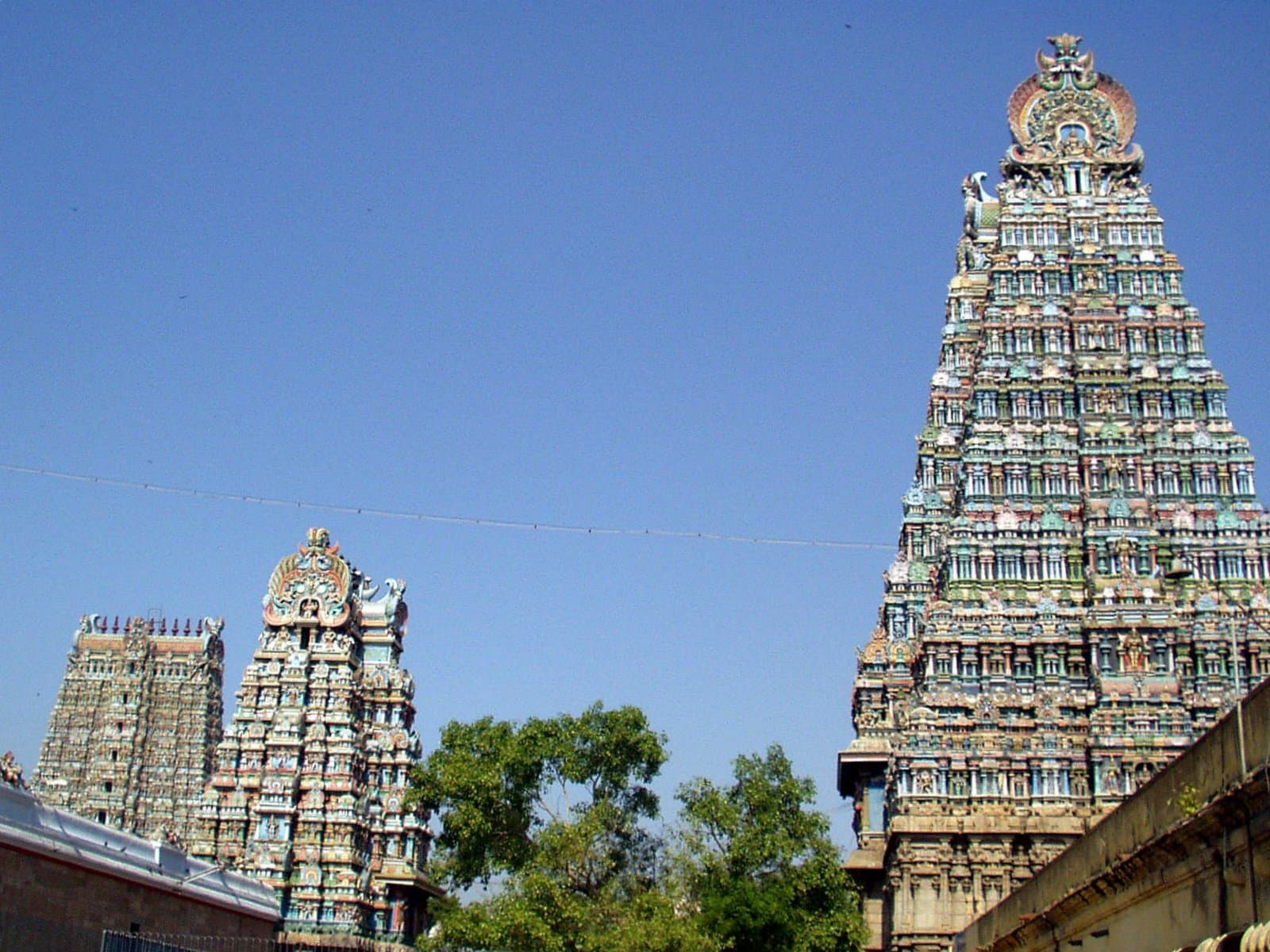
Somnath, Badrinath, Kedarnath, Jagannath Puri, Surya Mandir Konark, Mahalaxmi Kolhapur, Meenakshi Madurai, Padmanabha (Keral), Tirumala Tirupati, Kailasa at Ellora, Brihadeeswara, Khajuraho — the temples were not just a place of worship. It was the school, the treasury, the granary, the concert hall and the employer of an entire region.
8th century onwards
Shankaracharya and the sants
Adi Shankaracharya walked the length of Bharat and established four mathas to keep Spirituality and Philosophy alive. Then came the bhakti wave — the Alvars and Nayanars, Kabir, Mira, Tulsidas, Soordas, Rahim, Narsi Mehta, Gyandev, Namdev, Tukaram, Chaitanya — who kindled the lamp of Bhakti and translated dharma into the language of ordinary people.
Centuries of trial
Tested, never extinguished
Through repeated invasions and long colonial rule, men massacred, women raped, children butchered, temples broken and libraries burnt, yet SANATAN survived in the places nobody could seize — in homes, in mathas, in memory, in the kitchen song and the evening lamp.
19th–20th century
The awakening
Swami Dayanand Saraswati, Swami Vivekananda, Sri Aurobindo, Maharshi Raman, Paramhans Yoganand, Swami Shivanand, AC Bhaktivedant Swami Prabhupada and countless others glorified the greatness of Sanatan in the whole World.
We are the next link
Every generation before us preserved it and handed it forward. Take a Sankalp to protect Sanatan and continue.